

 English
 中文简体
中文简体
 Español
 عربى
عربى


Estás conduciendo por una carretera llena de baches y escuchas un ruido metálico rítmico procedente del eje delantero. Más tarde, mientras estaciona, la dirección se siente floja y el borde interior de una llanta delantera parece desgastado. Juntas, estas pistas apuntan a rótulas defectuosas.
Una rótula es el pivote esférico que une el brazo de control con el muñón de dirección. Cuando el casquillo se desgasta, produce un patrón predecible: ruidos de golpes en caminos irregulares, desgaste desigual de los neumáticos y dirección vaga o errante. Para confirmar, levante el vehículo, sostenga el brazo de control y verifique el juego con una palanca o balanceando la rueda en la posición 12 y 6. Una holgura visible significa que se debe reemplazar la junta; Conducir con una rótula muy desgastada no es un retraso en el mantenimiento, sino un riesgo de colapso.
Contenido
- ¿Qué es una rótula y para qué sirve?
- 8 síntomas comunes de rótulas defectuosas
- Cómo probar las rótulas en casa
- ¿Rótula de rótula, extremo de la barra de dirección o buje del brazo de control defectuosos?
- ¿Qué sucede si sigue conduciendo con una rótula defectuosa?
- ¿Cuánto duran las rótulas?
- Consideraciones de costos y reemplazo
- Preguntas frecuentes sobre rótulas defectuosas
¿Qué es una rótula y para qué sirve?
Una rótula automotriz es un cojinete esférico de precisión que conecta el brazo de control de la suspensión con el muñón de la dirección. El perno esférico gira dentro de un casquillo forjado, por lo que la rueda puede moverse hacia arriba y hacia abajo sobre los baches sin dejar de seguir los movimientos de la dirección del conductor.
La mayoría de las suspensiones delanteras utilizan una o dos rótulas por rueda, y la inferior soporta el peso estático del vehículo, por lo que falla primero. Las rótulas modernas están selladas y prelubricadas, por lo que el único mantenimiento es una inspección periódica.
Las rótulas se desgastan bajo carga constante, vibración de la carretera, humedad y sal de la carretera. Cuando la superficie interna del cojinete se desgasta, el perno comienza a moverse dentro del casquillo, lo que crea los siguientes síntomas. Si no estás familiarizado con la pieza, mira cómo la describe un proveedor especializado. rótulas para automóviles y qué especificaciones de nivel OE enumeran, para que sepa cómo debe verse una articulación sana.
8 síntomas comunes de rótulas defectuosas
Cada rótula desgastada se anuncia al menos de una de estas maneras:
- Ruido o derribo de baches. El perno suelto golpea el borde del casquillo, produciendo un estallido metálico en un lado del automóvil.
- Vibración del volante. Las juntas desgastadas envían retroalimentación de la carretera a la columna a gran velocidad.
- Vehículo deambulando o desviándose. La rueda ya no sigue recta porque el muñón se mueve independientemente del brazo de control.
- Desgaste desigual o ahuecado de los neumáticos. Los cambios continuos de alineación desgastan el borde interior o exterior más rápidamente.
- Dirección descuidada. Giras el volante varios grados antes de que el coche responda.
- Indicador de desgaste al ras. La pequeña tetina de la funda de goma está al nivel de la superficie de la funda, lo que significa que la articulación ha alcanzado su límite de desgaste.
- Inclinación del neumático en la parte superior. Una articulación inferior muy desgastada cambia la inclinación y la rueda se inclina hacia adentro o hacia afuera.
- Zumbido bajo carga. Un neumático inclinado roza su borde interior con la carretera, creando un zumbido constante.
Consulte la siguiente tabla para obtener un resumen rápido de cada síntoma y su causa física.
| Síntoma | como aparece | causa fisica |
|---|---|---|
| Golpes o golpes | Estallido metálico sobre baches y baches. | Perno esférico que golpea la pared del casquillo |
| Vibración de dirección | Agite el volante a velocidad de autopista | Jugar transmitiendo el impacto de la carretera. |
| Deambulando o a la deriva | El auto se detiene hacia un lado | Nudillo moviéndose en relación con el brazo de control. |
| Desgaste desigual de los neumáticos | Borde interior o exterior festoneado | Cambio de alineación dinámica |
| dirección descuidada | Zona muerta en la entrada de dirección | Juega en el perno prisionero |
| Indicador de desgaste al ras | La tetina de goma ya no sobresale | Superficie de apoyo desgastada |
| Inclinación de neumáticos | La rueda se inclina hacia adentro o hacia afuera del cuerpo | La geometría de la articulación colapsó |
Cómo probar las rótulas en casa
Puede confirmar una rótula defectuosa en aproximadamente 15 minutos con un gato de piso, un soporte de gato y una palanca. Trabaje sobre una superficie plana, calce las ruedas traseras y coloque el soporte del gato debajo del brazo de control inferior antes de llegar debajo del automóvil.
- Levante la parte delantera y apoye el brazo de control inferior para que la suspensión quede a la altura normal de manejo.
- Sujete el neumático por las posiciones de las 12 y las 6 en punto y muévalo hacia adentro y hacia afuera. El movimiento en el que el nudillo se separa del brazo de control significa una articulación desgastada.
- Haga palanca entre el brazo de control y el muñón de la dirección y observe si hay un espacio visible o un clic.
- Controlar la tetina indicadora de desgaste en el maletero; Flush significa que se debe reemplazar.
- Baja el auto y haz rebotar la parte delantera. Un ruido sordo del mismo lado finaliza el diagnóstico.
Cualquier juego visible en una rótula es motivo de reemplazo inmediato. Incluso 1 o 2 mm de movimiento es mucho más de lo que permite una articulación nueva.
¿Rótula de rótula, extremo de la barra de dirección o buje del brazo de control defectuosos?
El diagnóstico erróneo es común porque los extremos de la barra de dirección y los bujes del brazo de control producen síntomas superpuestos. La forma más rápida de separarlos es comprobar de dónde viene la jugada.
| Componente | lo que conecta | Síntoma típico | como confirmar |
|---|---|---|---|
| Rótula | Brazo de control al nudillo | Ruido sobre baches, inclinación de los neumáticos, desgaste del borde interior | Rueda de roca a las 12 y 6 |
| Extremo de la barra de acoplamiento | Cremallera de dirección hasta los nudillos | Vibración, dardos, juego al girar. | Rueda de roca a las 9 y 3 |
| Buje del brazo de control | Brazo de control al subchasis | Sensación de frenado vaga y chirriante | brazo de palanca; movimiento en el casquillo |
| Enlace estabilizador | Barra estabilizadora al brazo de control. | Golpe metálico en un solo golpe, a menudo en ambos lados. | Empuja la barra y escucha un clic. |
Para un mecánico doméstico, la prueba de la palanca es lo suficientemente precisa como para tomar la decisión; un probador de indicador de carátula es útil si desea obtener un resultado medido.
¿Qué sucede si sigue conduciendo con una rótula defectuosa?
Una rótula desgastada no es un problema de comodidad; se convierte en un riesgo de accidente. Cuando el casquillo se desgasta por completo, el perno puede separarse y la rueda se pliega hacia un lado debajo del automóvil en el peor momento posible: una curva, una rampa de salida o un cambio de carril.
- Pérdida repentina de control cuando la suspensión colapsa.
- Daño secundario al guardabarros, línea de freno, neumático y funda CV.
- Inspección de seguridad fallida en regiones que prueban el juego de suspensión.
- Una factura de reparación mucho más alta cuando un fallo tardío destruye otras partes.
¿Cuánto duran las rótulas?
Una rótula sellada típica dura entre 80.000 y 120.000 millas (130.000 a 190.000 km) en condiciones normales. La vida real depende de cuatro cosas:
- Calidad de la carretera: Los baches y los caminos de grava aceleran el desgaste.
- Carga del vehículo: Los SUV y camiones pesados tensionan más las articulaciones inferiores.
- Estilo de conducción: Las curvas cerradas y los kilómetros a alta velocidad aumentan el desgaste.
- Estado de arranque: una funda de goma rota deja entrar agua y arena, y la junta suele fallar en unos meses.
Si compró un automóvil usado sin registros de servicio, haga revisar las rótulas en la próxima rotación de neumáticos. Es una inspección de cinco minutos que evita una costosa sorpresa.
Consideraciones de costos y reemplazo
Una vez que una rótula ha fallado, la única solución es reemplazarla. Reemplace ambos lados al mismo tiempo y use piezas que cumplan con los estándares de equipo original (OE). Es posible que la articulación del lado izquierdo no esté desgastada todavía, pero tiene el mismo kilometraje y fallará poco después.
Un taller normalmente cobra entre $150 y $450 por lado por piezas y mano de obra. Los talleres independientes son más baratos que los distribuidores y un trabajo de bricolaje cuesta entre 30 y 150 dólares por junta, más la alineación posterior. El punto crítico es la calidad de la pieza: una junta barata puede pasar la inspección cuando es nueva y fallar después de 20.000 millas.
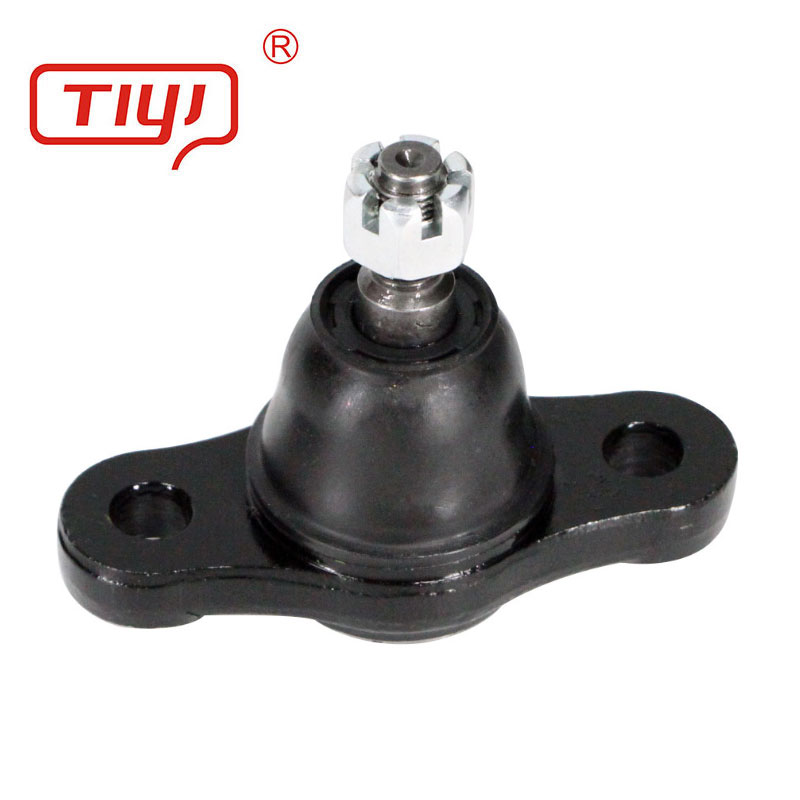
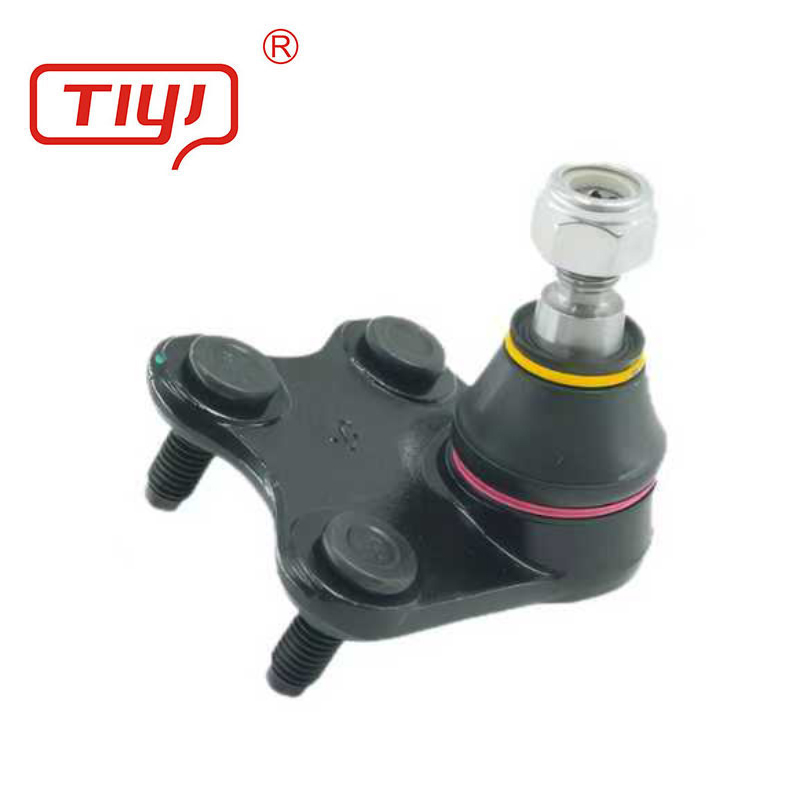
Verifique el número de OEM y el rango de aplicación para su modelo exacto. Por ejemplo, el Hyundai Elantra 2000-2007 utiliza un ajuste directo Junta esférica Hyundai Elantra compatible con OEM 51760-0Q000 , y los VW New Jetta y New Santana 2013 toman el Rótula de repuesto para VW New Jetta y New Santana con OEM 6RD407365 .
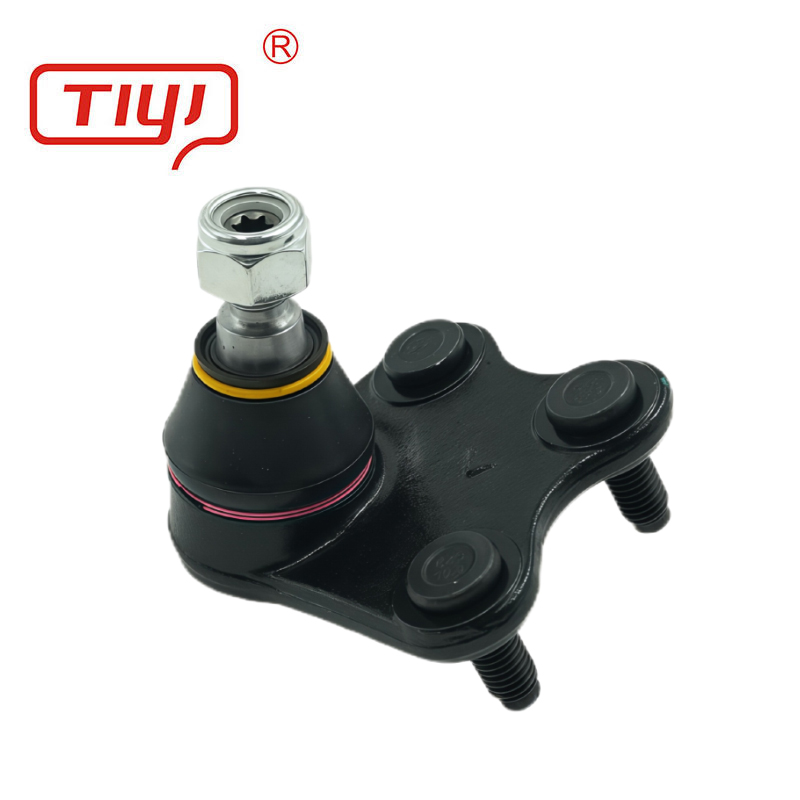 Personalizado VW NUEVO JETTA/NUEVO SANTANA 2013-/RÓTULA/OEM:6RD407365 Proveedor, Empresa Anhui Tianyu es el principal proveedor y empresa de VW NUEVO JETTA/NUEVO SANTANA 2013-/BALL JOINT/OEM:6RD407365 de China, que ofrece OEM/ODM personalizado confiable... Ver producto →
 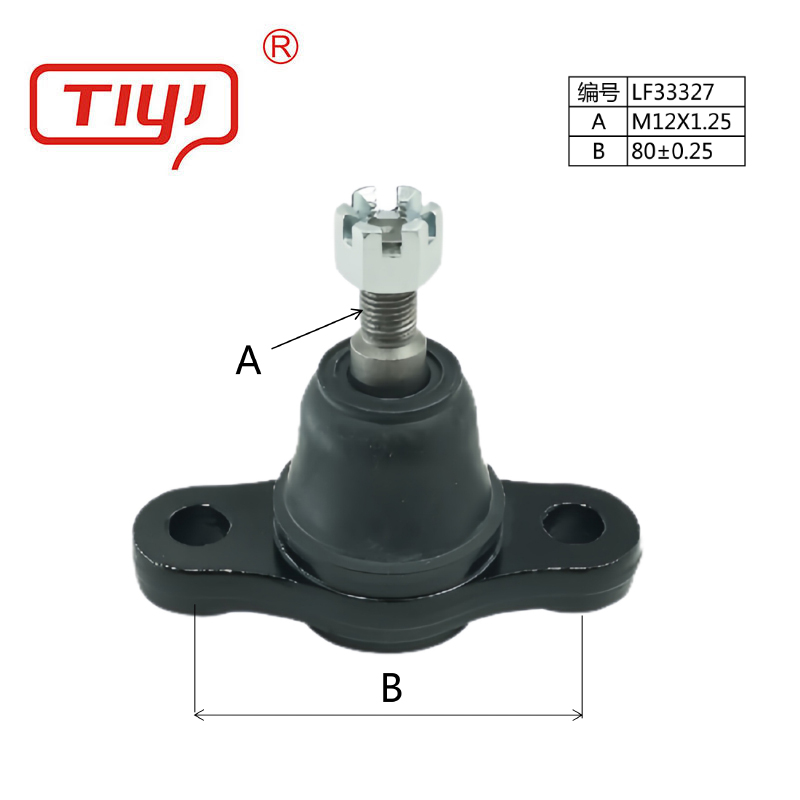 Hyundai Elantra personalizado 2000-2007/JUNTA DE BOLA/OEM:51760-0Q000 Proveedor, Empresa Anhui Tianyu es el principal proveedor y empresa de Hyundai Elantra 2000-2007/BALL JOINT/OEM:51760-0Q000 de China, que ofrece servicios OEM/ODM personalizados confiables... Ver producto →
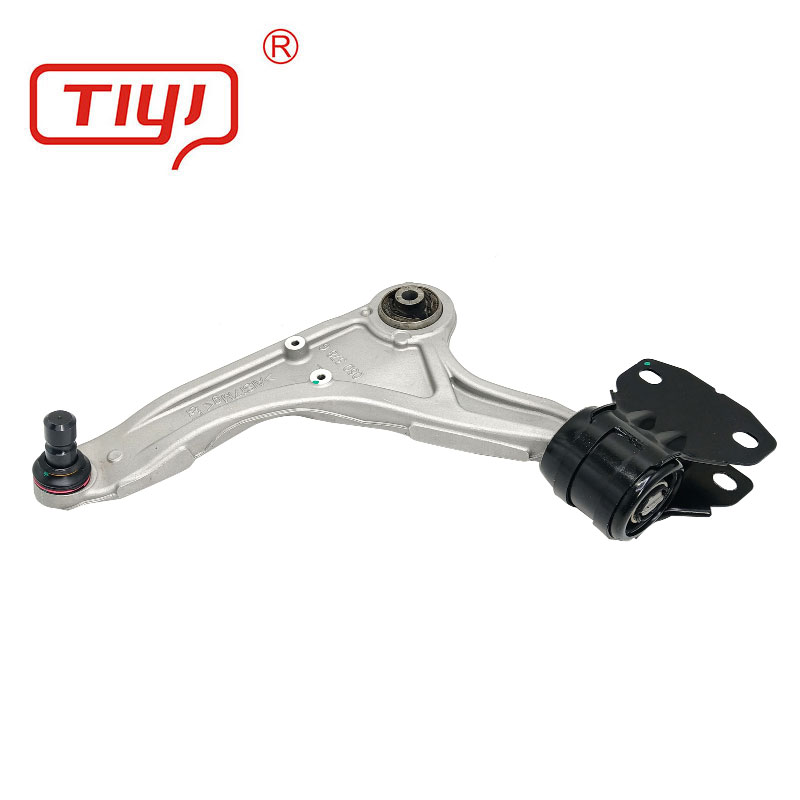
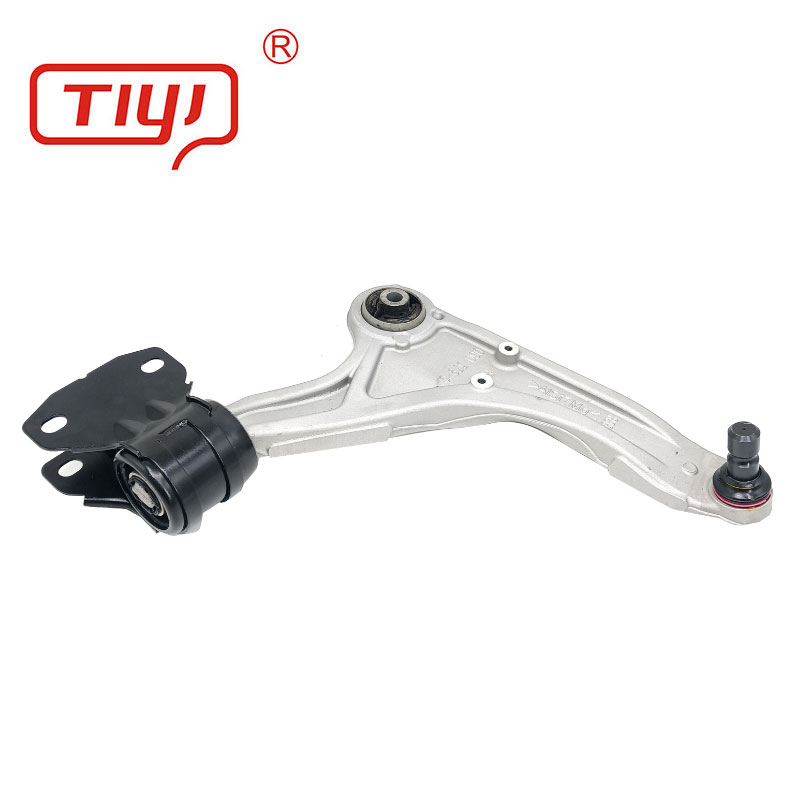
 En vehículos donde la rótula está presionada en el brazo de control, como el Ford Mondeo 2013-2015, se reemplaza todo el conjunto con un Brazo de control inferior Ford Mondeo construido según OEM DG9C-3A053-ANE .
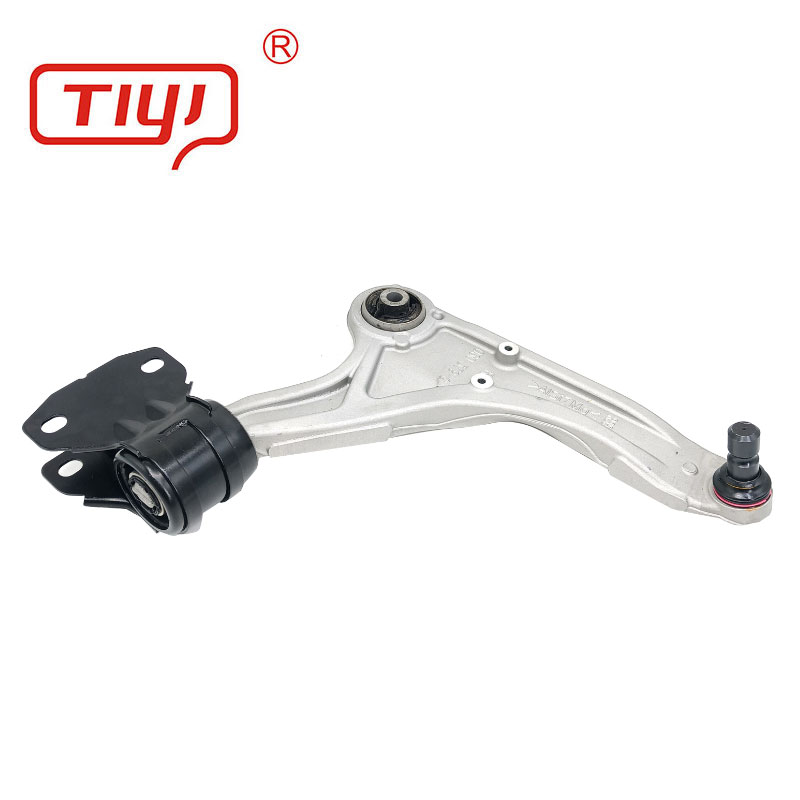 Ford Mondeo personalizado 2013-2015/BRAZO DE CONTROL INFERIOR/OEM:DG9C3A053ANE Proveedor, Compan Anhui Tianyu es el principal proveedor y empresa de China Ford Mondeo 2013-2015/BRAZO DE CONTROL INFERIOR/OEM:DG9C3A053ANE, que ofrece OEM/OD personalizados confiables... Ver producto →
 un general reemplazo de rótula El procedimiento sigue el mismo principio en otros vehículos: la forma del casquillo, la forma del maletero y la altura de los pernos deben coincidir exactamente con la aplicación, incluso cuando las piezas parecen similares.
Preguntas frecuentes sobre rótulas defectuosas
¿Cuánto tiempo puedo conducir con una rótula defectuosa?
No existe un kilometraje seguro. Si una junta tiene juego visible o un indicador de desgaste al ras, puede fallar en cualquier momento. Si es necesario, conduzca hasta el taller más cercano a baja velocidad, pero no planifique un viaje con una articulación desgastada.
¿Cómo suena una rótula defectuosa?
Un único ruido metálico cada vez que la suspensión se comprime sobre un bache. En algunos coches se convierte en un crujido al aparcar o un traqueteo sobre el asfalto rugoso.
¿Puede una rótula defectuosa causar problemas de alineación?
Sí. El juego cambia continuamente la inclinación y la convergencia mientras se conduce, razón por la cual el borde interior del neumático se desgasta rápidamente. Una rueda puede permanecer visiblemente inclinada incluso cuando el estante de alineación informa que la configuración es correcta.
¿Con qué frecuencia se deben inspeccionar las rótulas?
En cada rotación de neumáticos, aproximadamente cada 6000 a 10 000 millas, o cada vez que se le dé servicio a la suspensión delantera. Los vehículos que circulan por carreteras en mal estado o que se utilizan para remolcar deben revisarse dos veces al año.
La forma más confiable de saber si sus rótulas están defectuosas es también la más simple: escuche el ruido metálico, observe el desgaste desigual de los neumáticos y pruebe el juego con el vehículo apoyado en un gato. Si la articulación se mueve, reemplace ambos lados con piezas de calidad OE antes de que la falla se convierta en una factura de remolque o en un accidente.